What is a Chronograph? How Stopwatch Complications Function
A detailed breakdown of column wheels, horizontal clutches, and register subdials.
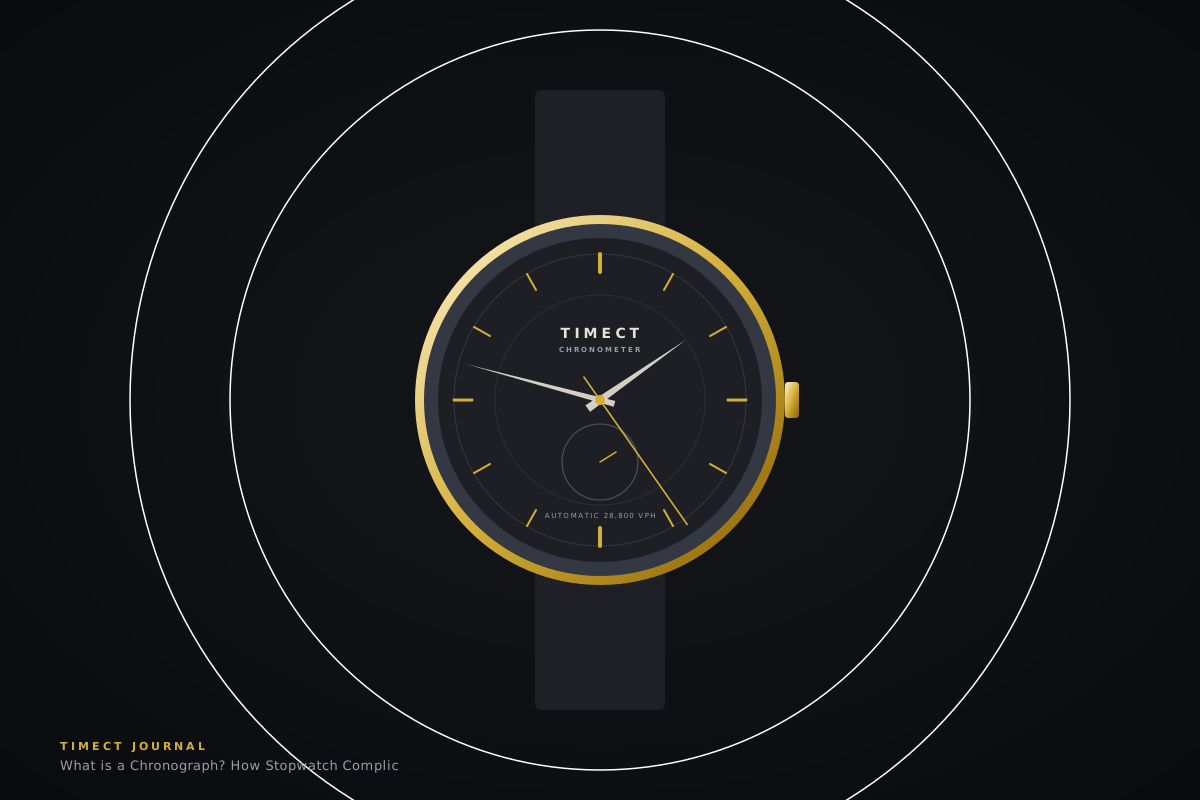
A chronograph is a timepiece equipped with an independent stopwatch complication operable via pushers, allowing the wearer to measure elapsed intervals of seconds, minutes, and hours without interrupting standard timekeeping.
The chronograph is arguably the most interactive mechanical complication in watchmaking, transforming a wrist instrument into an active timing device.
Column Wheel vs Cam-Actuated Chronographs
Traditional luxury chronographs feature a machined column wheel resembling a castle turret. It provides crisp, buttery pusher resistance. Cam-actuated systems, popularized by movements like the Valjoux 7750, utilize stamped levers for robust, reliable operation at accessible price points.
Horological Benchmark Specifications
Engineering Tolerances
Regulated in 3 to 5 positions; isochronism variance limited to +/- 4 to 8 seconds per day.
Material Composition
Austenitic 316L stainless steel, anti-magnetic alloys, synthetic sapphire with internal anti-reflective coating.
Escapement Frequency
28,800 vibrations per hour (4 Hz) or 21,600 vph (3 Hz) providing optimal balance longevity.
Preventative Maintenance Cycle
Pressure testing every 24 months; comprehensive ultrasonic overhaul every 4 to 6 years.
In-Depth Technical Evaluation: Micro-Mechanical Nuances
When assessing what is a chronograph? how stopwatch complications function, the true differentiator lies in microscopic finishing and kinetic efficiency. The interaction between the balance hairspring and the pallet fork gems determines whether a timepiece maintains stability over multiple decades. High-grade synthetic rubies (corundum jewels) are polished to minimize frictional drag at pivot points, while synthetic epilame coatings prevent lubricant migration away from the escape wheel teeth.
Curator's Verdict & Acquisition Advice
For both aspiring enthusiasts and seasoned collectors, understanding the architectural pedigree behind this timepiece ensures lasting ownership satisfaction. Rather than chasing transient design trends, invest in pieces characterized by proportional harmony, serviceability of internal components, and transparent manufacturing provenance.
Editor's Summary Note
Horology remains one of the few physical crafts where traditional centuries-old hand finishing merges seamlessly with modern aerospace tolerances. Treat your timepiece with regular care, keep it shielded from high magnetic fields, and it will serve as a multi-generational companion.
Common Questions & Guidance
Can I leave the chronograph running continuously?
On a vertical clutch chronograph, continuous running causes negligible wear. On a traditional lateral/horizontal clutch mechanism, leaving it running continuously can increase friction and accelerate gear tooth wear.